
Pioppino
~ Agrocybe Aegerita ~
Flavour and culinary profile -
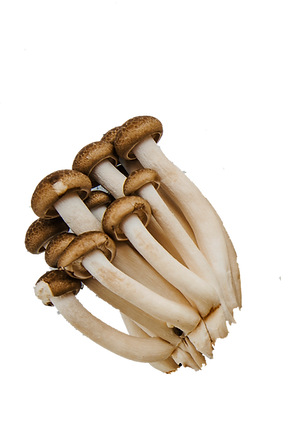
Pioppino, also known as The Black Poplar mushroom - are a prized gourmet ingredient derived from Italy and southern Europe. They stand out for their refined, versatile flavour profile - a delicate nutty sweetness with a mild earthiness—more complex than your ordinary 'supermarket' mushrooms with firm meaty stems and tender caps that hold their texture beautifully when cooked. Often compared to hazelnuts or sweet chestnuts, balanced by floral and sweet notes and a distinctive peppery finish. Unlike most Mushrooms they pioppino have a high heat resistance and wont just turn to mush! Instead, they crisp up and make a perfect candidate for sautéing, frying, risottos, pastas, and soups, stews, and one-pots.
Lions Mane
~ hericium erinaceus ~
Flavour and culinary profile -
The Lion's Mane mushroom has found recent fame and with good reason - a delicate, seafood-like flavor that’s often compared to crab or lobster, softly sweet and lightly umami. Its texture is one of its standout features—firm, meaty, and fibrous, with a tender chew that holds up well to sautéing, roasting, or pan-searing. When prepped or cooked, it readily absorbs butter, oils, marinades and seasonings, delivering the most perfect meat replacement flavour vessel available. Chase richer umami depth with traditional Asian pairings, or subtle sweetness and a faint earthiness when taking the herby, light, creamy route. Properly prepared, Lion’s Mane offers a satisfying balance between lightness and heartiness, making it extremely versatile. From steaks to burgers - pulled, fried, dried or seared. This big hitting mushroom is an amazing meat alternative with an incredible texture.

Summer Oyster
~ Pleurotus pulminarius
(UK native species) ~
Flavour and culinary profile -
Oyster mushrooms - particularly this delicate summer variety - offer a refined, subtly aromatic flavor that elevate both simple weekday meals and complex gourmet dishes. Their taste is mild yet distinctly savory, with gentle notes reminiscent of seafood, and a soft earthy sweetness. The texture is tender and silky when lightly cooked, becoming beautifully crisp and golden at the edges when sautéed. A fantastic and healthy replacement for desirable fibrous bite of poultry and pulled meats. Summer oyster mushrooms readily absorb marinades, rubs, and sauces, enhancing their natural umami without overpowering other ingredients. A light and satisfying culinary experience that feels both fresh and indulgent - cook quickly in butter and garlic and smother some toast or season, bread and fry some awesome fried chicken wing style bites.

Maitake
~ grifola frondosa ~
Flavour and culinary profile -
Often referred to as 'Hen of The Woods', Maitake is a powerful mushroom that stands up to intense cooking far better than most. They are highly prized for their deeply savoury and rich umami flavour, and an outstanding robust texture that will crisp on the delicate frond edges whilst remaining delicate and tender in the centre. Versatile and deeply nourishing. From simple sautés, to roasts and refined technical mains, this mushroom will have you questioning what you thought was possible with the fungi family. (Or just slap it in a pan with some butter and dump it on your favourite bread to impress your mates for a hungover brunch)

Golden Oyster
~ pleurotus citrinopileatus ~
Flavour and culinary profile -
An Asian native species, the Golden Oyster is world renowned for its delicate nutty, citrus tones - sweet, cashew like profile and fruity, citrusy aroma. Its delicate yellow bodies not only look amazing but are fleshy and tender - desired by chefs and home cooks alike. Their edges crisp beautifully with a simply sauté, or for the more adventurous - press and sear whole clusters for a dense meaty experience that we are sure you will not have experienced before. Versatile and exciting, these will not last long once you get a whiff of that beautiful smell - fortunate because they have a comparatively short shelf life along side most other varieties, mainly due to their smaller, more delicate fruiting bodies.
